 Universal - go to homepage
-
Projects
-

Projects Domains
Project Technology
-
Project Details
Project Name: Soil testing and reporting system
Project Code: ILSW018DM
Summary:
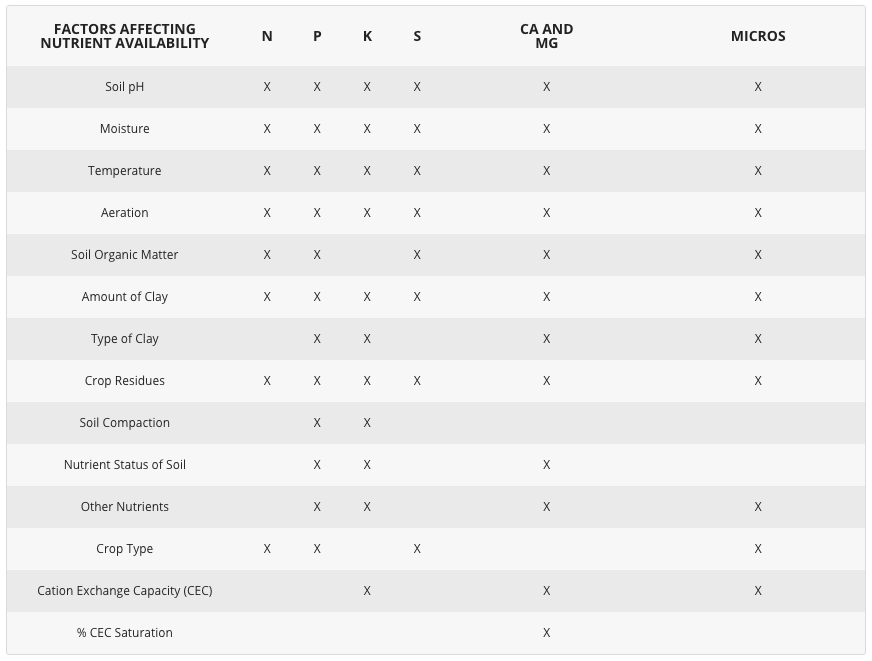
A soil test is important for several reasons: to optimize crop production, to protect the environment from contamination by runoff and leaching of excess fertilizers, to aid in the diagnosis of plant culture problems, to improve the nutritional balance of the growing media and to save money and conserve energy by applying only the amount of fertilizer needed. Pre- plant media analyses provide an indication of potential nutrient deficiencies, pH imbalance or excess soluble salts. This is particularly important for growers who mix their own media. Media testing during the growing season is an important tool for managing crop nutrition and soluble salts levels. To use this tool effectively, you must know how to take a media sample to send for analysis or for in-house testing, and be able to interpret media test results. Determining the pH and fertility level through a soil test is the first step in planning a sound nutrient management program. Soil samples from soilless mixes are tested differently than samples from field soil. There are three commonly used methods of testing soilless media using water as an extracting solution: 1:2 dilution method, saturated media extract (SME), and leachate Pour Thru. The values that represent each method of testing are different from each other. For example, 2.6 would be “extreme” (too high) for the 1:2 method, “normal” for SME, and “low” for leachate Pour Thru. Likewise, values for specific nutrients are likely to differ with testing methods. Always use the interpretative data for the specific soil testing method used to avoid incorrect interpretation of the results. See Table 2, Soluble salts levels determined by different methods of soilless media analysis.
More Details
-
Technology Use: .Net Or Java Or Python
-
Modules:
-
Algoritham Use: Not Defined